Teeth whitening: what is safe and what is not
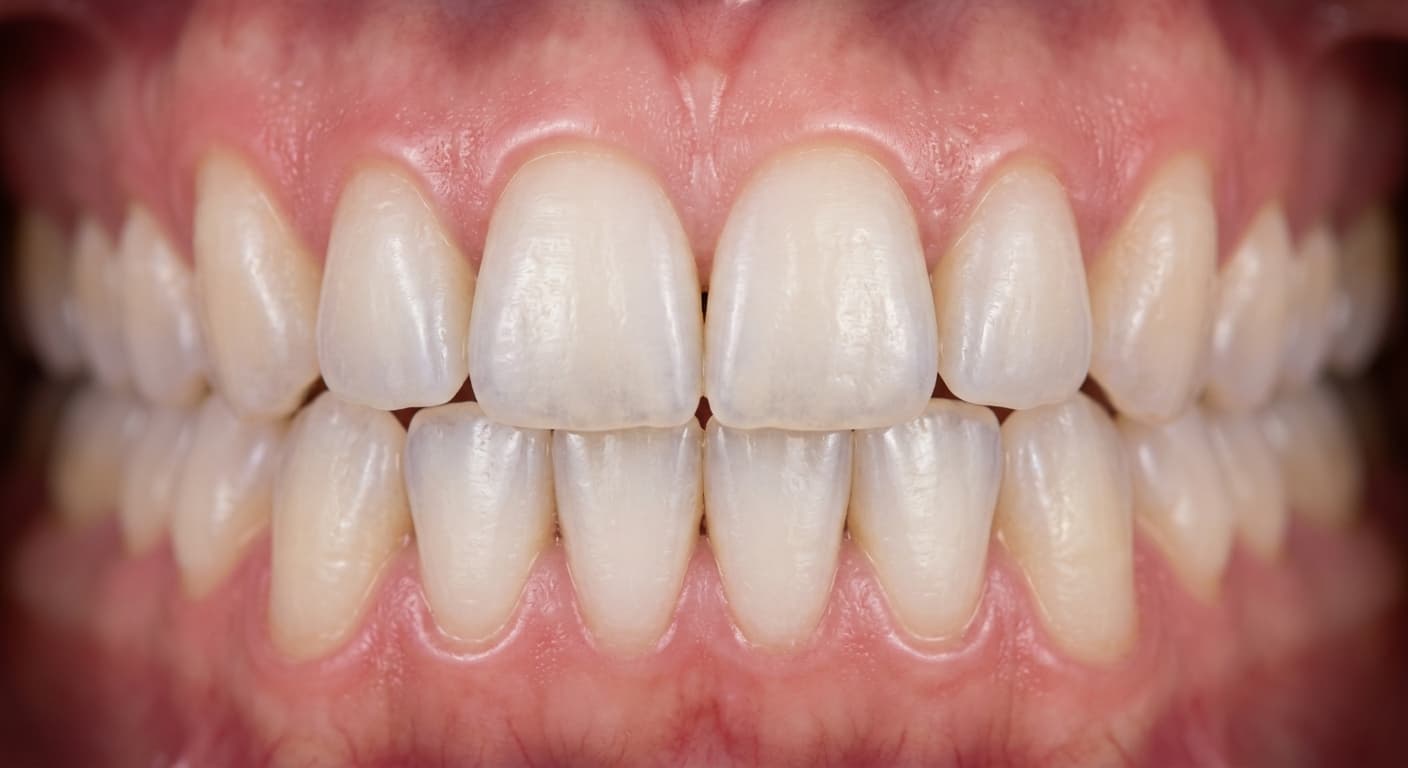
The difference between professional whitening and off-the-shelf products, plus who should avoid it.
Many people want a whiter smile, but not every whitening method is safe for your teeth and gums. The internet is full of “tricks”, and shops sell strips, toothpastes and kits promising white teeth in a few days. Some work a little; others do harm.
How whitening works
Tooth colour comes largely from the dentine beneath the enamel. Real whitening uses a peroxide-based gel that passes through the enamel and breaks down the pigments inside. That's different from removing surface stains, which a clean or an abrasive toothpaste does: it cleans, but it doesn't change the tooth's underlying colour.
What is safe
- Professional whitening at the practice: uses clinically tested products, applied under the dentist's supervision, protecting the gums and enamel. A protective barrier covers the gums before application.
- Custom trays prescribed by the dentist: whitening at home with trays made from an impression of your teeth and gels at moderate strength. The tray keeps the gel on the teeth, not the gums.
- Low-abrasion whitening toothpastes: help remove surface stains (coffee, tea, tobacco) without harming enamel, if used as directed. They don't change the underlying colour, though.
What is not safe
- Home remedies (baking soda, lemon juice, activated charcoal): highly abrasive or acidic, they erode the enamel and cause severe, permanent sensitivity. Lost enamel doesn't grow back.
- Cheap strips or kits used without a dentist's advice: can cause chemical burns to the gums and patchy whitening if the gel leaks or is too strong.
- Whitening over untreated decay or receding gums: the products can penetrate deeply, causing intense pain and damage to the nerve.
Who should avoid it or wait
- Patients with untreated decay or inflamed gums, until these are treated.
- Patients with gum recession or exposed roots, where the gel would reach the dentine directly.
- Women who are pregnant or breastfeeding: we prefer to wait.
- Patients with very sensitive teeth, until we discuss a gentler approach.
What doesn't whiten
Whitening only works on natural teeth. Crowns, veneers and fillings on the front teeth stay their own colour. If you have any where they show, we discuss it beforehand: sometimes they're worth replacing after whitening, once the tooth colour has settled, so they match.
How it works here
We start with a check-up and, if needed, a professional clean, so the gel works on clean enamel. We record your starting shade, then choose the option together: a single visit at the practice, or at home with trays made to fit your teeth and a gel of the right strength, under our supervision. More at Professional whitening.
What you'll feel
Sensitivity to cold, sometimes as short twinges, is common in the first days and passes on its own. A toothpaste for sensitive teeth reduces it. If you whiten at home, you can take a day off when sensitivity is strong. For the first 48 hours the enamel stains more easily, so avoid coffee, tea and red wine. Everything, step by step, in After teeth whitening.
Common questions
Does professional whitening damage enamel?
No, when it's done in a controlled way, with tested products and under supervision. Abrasive or acidic home remedies are what erode it.
How long does the result last?
It depends on your habits: coffee, tea, red wine and smoking darken it faster. Regular cleans help it last, and a short top-up brings it back, but no more often than we recommend.
Can I whiten if I have veneers or crowns?
Your natural teeth, yes; the restorations, no. We discuss beforehand what makes sense, so the result is even.