Gum treatment
Treating the gums and the bone that hold the teeth, from occasional bleeding through to teeth that have started to move.
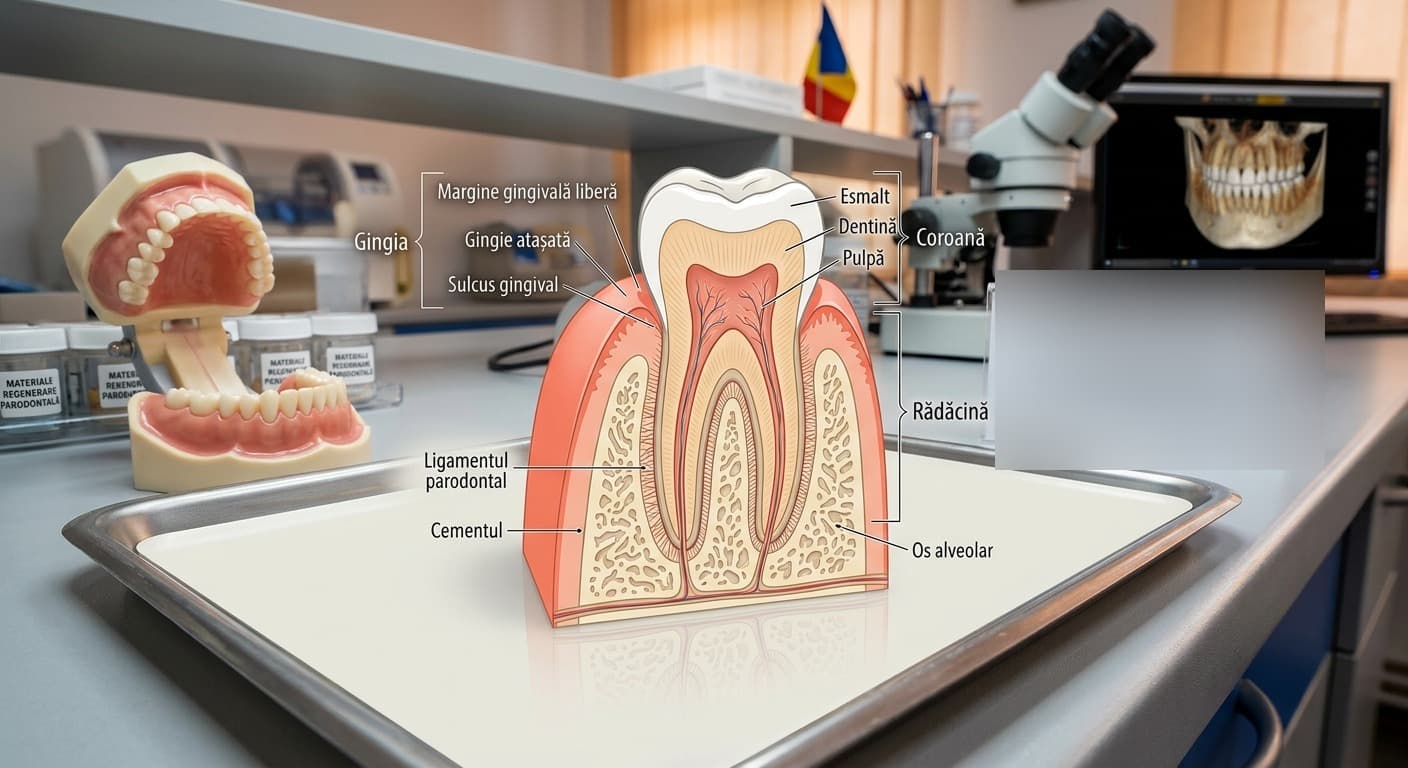
Gum treatment deals with the gums and the bone that hold the teeth. Gum disease starts quietly, with bleeding when you brush, and if left untreated can lead to receding gums, teeth that start to move and, eventually, losing them.
The good news is that, caught early, it can be stopped. Treatment almost always starts with a professional clean and with how you clean your teeth at home, and only then, if needed, with specific treatments.
Gum disease usually doesn't hurt until late, which is why many patients only find out when a tooth starts to move. Regular check-ups catch it early, when treatment is simplest.
Suitable if
- Gums that bleed when you brush.
- Persistent bad breath.
- Teeth that seem to be moving.
- Receding gums or teeth that look longer.
Not suitable if
- Situations that need an emergency dealt with first.
- Uncontrolled diabetes, until it is stabilised, for surgical treatment.
Your alternatives
Gum treatment goes in steps, from the simplest to the most complex, and we stop where the gum has healed:
- A professional clean (scaling and polishing) removes tartar above the gum. For gingivitis, together with good brushing at home, it is often enough.
- Deep cleaning of the roots, below the gum, is done under local anaesthetic when tartar has gone down into the pockets between gum and tooth.
- Gum surgery is used when the pockets stay deep after the basic treatment.
Nothing replaces daily cleaning: without it, any treatment lasts only a short time.
How it goes
Consultation and plan
After the consultation, a treatment plan is drawn up. We measure the depth of the pockets around each tooth, check for movement and take X-rays to see how much bone has been lost.
Preparation
A professional clean (scaling and polishing) and coaching: we show you how to brush and how to clean between your teeth, with floss or interdental brushes, to suit your gums.
The treatment itself
Specific treatment of the gums and soft tissue: cleaning the roots below the gum and, where pockets stay deep, surgical procedures on the gum.
Check-ups and maintenance
Regular check-ups. After treatment the gum is reassessed, and maintenance cleans are more frequent than for a patient without gum disease, usually every three or four months.
How long it takes overall
- Consultation and measurements
- one visit
- Professional clean
- 1–2 visits
- Cleaning the roots below the gum
- a few visits, area by area
- Reassessing the gum
- after a few weeks
- Maintenance
- every 3–6 months
What the cost depends on
The cost depends on how advanced the gum disease is, how many areas need treating and how many visits it takes. Gingivitis is often resolved with a clean, while advanced periodontitis needs several stages.
How often you come back for maintenance matters too: regular cleans cost far less than starting treatment again when the disease returns.
You get the estimate after the consultation and measurements. Details in the guide to treatment cost.
Costs
How the cost of a treatment is set →What you will feel
A professional clean doesn't hurt; it can leave sensitivity to cold for a few days. Cleaning below the gum and any procedures are done under local anaesthetic, so discomfort is minimal.
Gums that bled start bleeding less within a few days of treatment and proper brushing. If you are anxious, tell us at the start: we work area by area, without rushing, and take breaks.
Risks and limits
As the inflammation settles, the gum tightens, and teeth may look slightly longer and feel more sensitive to cold. The sensitivity fades over time.
Lost bone doesn't grow back on its own, so treatment stops the disease rather than reversing it. Without daily cleaning and regular check-ups, gum disease comes back. Smoking slows healing and lowers the chances of treatment working.
After treatment
What follows a hygiene visit is in After scaling and polishing, and after a procedure on the gum in Recovery after gum surgery.
After this treatment
Common questions
- How long does treatment take?
- It depends on each patient's situation and how advanced the disease is. Gingivitis is treated in one or two visits, periodontitis in several.
- Does it hurt?
- Procedures are done under local anaesthetic, so discomfort is minimal.
- How often do I come back for check-ups?
- It depends on the stage of gum disease. Usually every three to six months, more often in the first year after treatment.
- Why do my gums bleed when I brush?
- Most often because of plaque and tartar at the gum line, which inflame it. Bleeding isn't normal: it's worth a check-up.
- Can loose teeth still be saved?
- Often, yes, if the disease is stopped in time. How much bone is left shows on the X-ray, and we plan around that.
- Can gum disease be cured for good?
- Gingivitis, yes. Periodontitis can be stopped and kept under control, but needs long-term maintenance.